We were picked up this morning by Elia (our driver). He took us out to Soweto (more formally known as the South Western Townships). The Soweto I “knew” was fixed in my mind due to the news coverage of the violence and destruction of the 1976 riots and the subsequent decades of protests and mayhem. However, the Soweto of today is very different. Some areas of Soweto are still little more than rough shantytowns but many more sections are vibrant, tidy, and even quite affluent. Elia further dispelled our concerns by telling us that the residents of Soweto are fully aware of the importance of tourism and have actively protected visitors. He admits that there is still violence but most of it is now targeted, criminal-on-criminal. Most crime now are property crimes or crimes of opportunity.


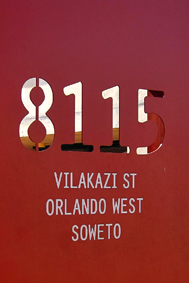
First we visited 8115 Vilakazi Street, better known as, “Mandela House” (http://en.wikipedia.org/wiki/Mandela_House). This is the house Nelson Mandela called “home” in Soweto. This is where he lived before being incarcerated on Robben’s Island and where he returned upon his release. The house has been restored to it’s former look and even some of the furnishings are original.
Next, we visited the “Hector Pieterson Museum” (http://en.wikipedia.org/wiki/Hector_Pieterson_Museum). This building and it’s exhibits are dedicated to the memory and events of the 1976 student protests against the
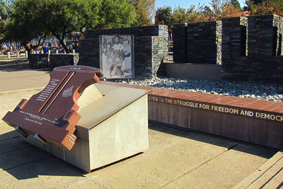 South African government’s edict to offer Bantu (Black) education only in Afrikaans. The protests took a sudden and violent turn for the worse with the fatal police shooting of an unarmed 13 year old school boy named Hector Pieterson. This was a pivotal moment in the transition of various protest groups into the organized movement to abolish Apartheid. This single act of violence also helped galvanize world opinion against Apartheid.
We also visited the Regina Mundi Catholic Church (http://en.wikipedia.org/wiki/Regina_Mundi). It was one of the epicentres for the planning and organizing of the various student protests against the Apartheid Regime.
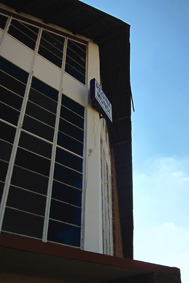
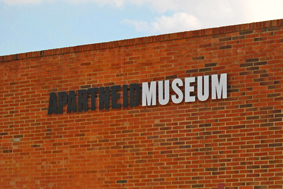
Finally, we visited the “Apartheid Museum” (http://www.apartheidmuseum.org/). The unpretentious exterior and simple sign do not prepare the visitor for what lays in store. The tone is set by the museum’s clever method of initially segregating visitors. Ticket buyers are randomly given a coupon classifying them as either “White” or “Non-White” and they enter the museum through separate gates marked for “their” race. After walking through the segregated entry exhibit, all visitors experience the rest of the museum’s exhibits together. The exhibitions are well thought out and incredibly thought-provoking. In fact, there is so much information presented, it is a little overwhelming at times. Overall, a very worthwhile way to spend your time… to do the museum justice, plan to spend at least 3-4 hours.
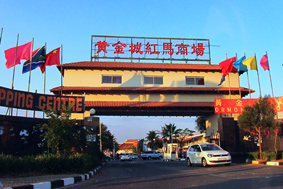
On the way back, we drove by one of several Chinese-owned shopping centres… as you can see, they don’t put up Chinese-language-only signs just in Richmond.
 East to Hedon
 East to Hedon
Thanks for taking the pics Rog. I wouldn’t recognize a thing now. The “heads up” from your driver is interesting and encouraging.
absolutly stunning….such an amazing education….glad to see a little of Richmond everywhere…lol.